
From Self-Sufficiency to Dependency: Africa’s Agrarian Turning Point
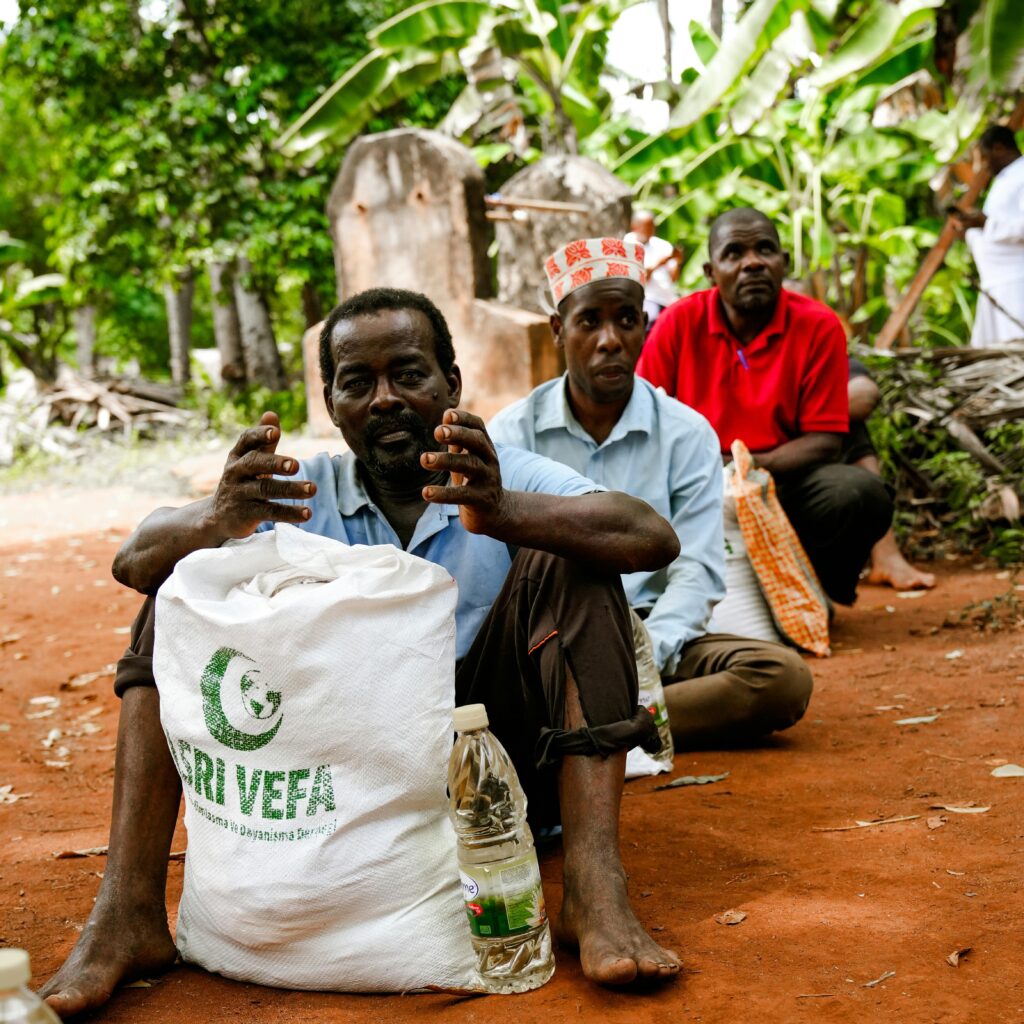
- Africa was once self-sufficient in food production, but now faces a significant food import deficit.
- Agrarian reforms are essential for economic transformation and food sovereignty.
- Climate change and globalisation have exacerbated food security issues.
- Smallholder agriculture is crucial but often neglected in policy discussions.
- Land tenure issues remain unresolved, leading to rural poverty and migration.
- The food sovereignty movement advocates for local control over food systems and equitable access to resources.
- The book aims to address the declining focus on land and agrarian studies in Africa.
🌾 Africa’s Agricultural Transformation
This chapter examines Africa’s agricultural transformation, tracing its decline from self-sufficiency and food exportation in the late 1960s to its dependence on food imports, valued at approximately US$100 billion annually in 2021.
The discussion delves into the structural and policy-related challenges that have contributed to this shift — including inconsistent agricultural policies, global economic influences, and land tenure issues.
"Smallholder farmers, who are vital to food production, struggle under economic liberalisation as they face competition from multinational corporations that benefit from subsidies and trade advantages."
As a result, Africa’s food sovereignty has weakened, placing the continent at the mercy of global market forces.
⚖️ Policy and Structural Challenges
The text critiques the inadequate investment in rural infrastructure and the short-sighted nature of government interventions, which often prioritise political gains over long-term agricultural sustainability.
It explores the ongoing rural-to-urban migration that continues without sufficient employment opportunities, leaving many individuals in precarious economic conditions.
The chapter underscores the urgent need for agrarian reform, citing successful examples such as Vietnam’s agricultural transformation, which has demonstrated the benefits of land redistribution and policy coherence.
However, Africa has largely avoided large-scale structural reforms, with Zimbabwe being one of the few exceptions.
🌦️ Climate Change and Global Challenges
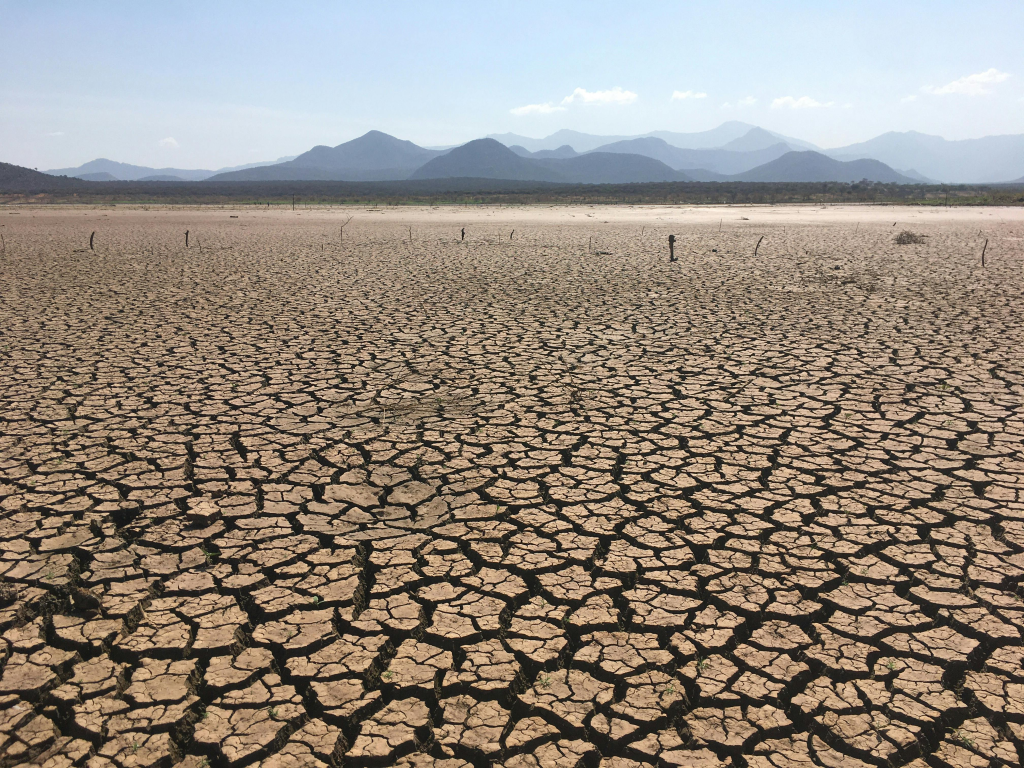
Climate change further complicates the agricultural crisis, exacerbating food insecurity through erratic weather patterns, droughts, and floods.
These environmental challenges, combined with governance failures and economic limitations, make Africa particularly vulnerable.
International initiatives, such as the L’Aquila Food Security Initiative, have promised significant investment in African agriculture, yet the outcomes remain insufficient in addressing the underlying issues of poverty, inequality, and rural neglect.
Food Sovereignty: A Radical Alternative
At the core of the discussion is the concept of Food Sovereignty, which offers a radical alternative to neoliberal agricultural models.
This framework advocates for policies that empower communities to control their food systems rather than allowing multinational corporations to dictate agricultural production and trade.
It emphasises the necessity of fair land distribution, market access, and support for smallholder farmers, who, despite producing a significant share of global food, continue to struggle due to systemic neglect.
A Call for Paradigm Shift
Ultimately, the chapter calls for a paradigm shift in agricultural policy and rural development strategies.
Instead of temporary interventions and donor-dependent programs, Africa must implement bold, long-term reforms that prioritise sustainability, smallholder empowerment, and food sovereignty.
Without such changes, the continent’s agricultural sector will remain vulnerable to external pressures, perpetuating cycles of food insecurity and economic stagnation.