
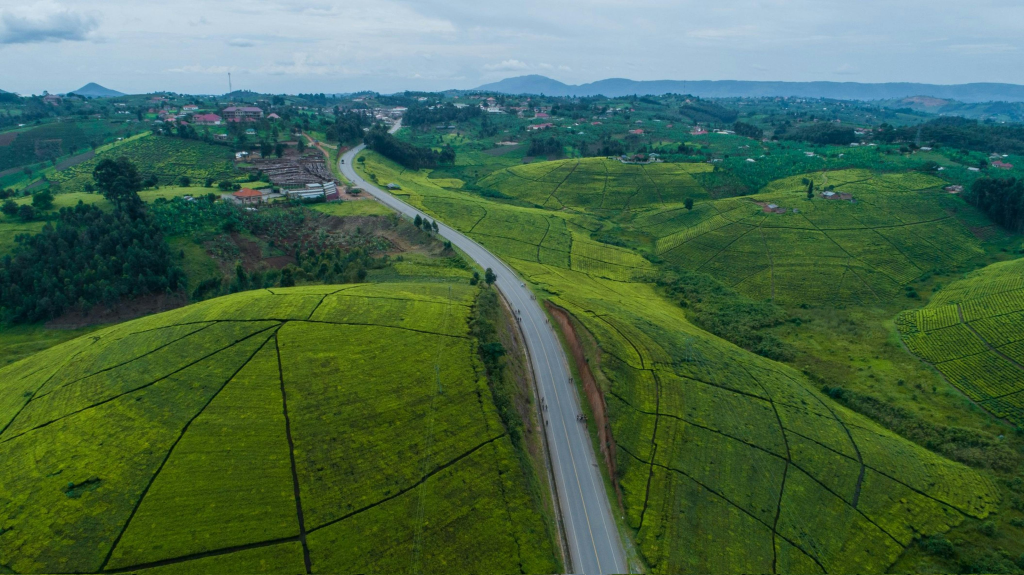
“In the 21st century, the question of land reform remains central to Africa’s development.”
Despite rapid urbanisation, land-based livelihoods continue to shape socio-economic realities, particularly in rural areas where traditional tenure systems influence access and control. The chapter highlights that Africa’s urban growth differs fundamentally from historical European industrialisation; it is driven by population expansion, rural economic decline, and land scarcity rather than formal job creation. Consequently, rural economies remain vital, underscoring the ongoing need for equitable land access.
🌱 The Significance of Land
Land is more than just a physical asset; it embodies economic, social, and political significance. It serves as a site for agricultural production, a reservoir of natural resources, and a foundation for investment. Additionally, land tenure systems influence governance structures and communal stability. Studies consistently affirm that equitable land distribution bolsters economic resilience, making it a decisive factor in national development.
⚖️ Land as a Contested Resource
However, land remains a deeply contested resource, fraught with disputes at multiple levels—neighbouring families, generational claims, pastoralists versus farmers, and broader national conflicts. Africa’s legal pluralism, a fusion of precolonial, colonial, and postcolonial systems, complicates governance, fostering ambiguity and elite-driven land exploitation.
These complexities underscore four critical dimensions of the land question:
- Distribution
- Security of tenure
- Governance
- Utilisation
While colonial histories shaped some inequities, contemporary land grabs by political elites exacerbate disparities. The uneven concentration of land ownership, particularly among Africa’s wealthy classes, perpetuates exclusion and economic stagnation.
👩🌾 Gender Inequality in Land Governance
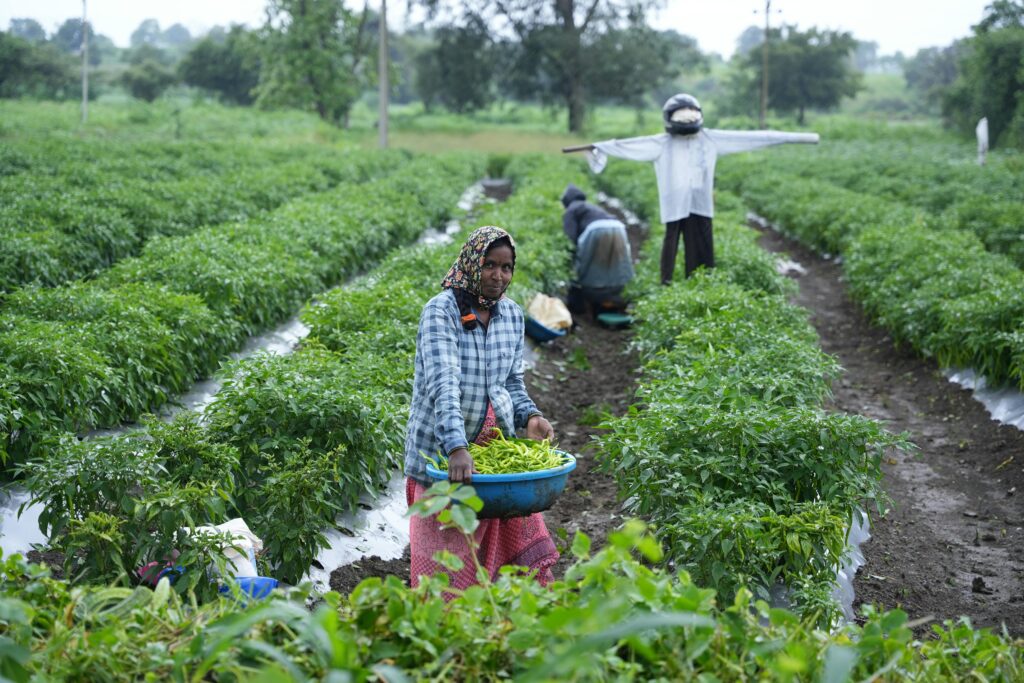
One of the most critical aspects of land governance is gender inequality. Despite the pivotal role women play in agriculture, customary laws and patriarchal systems often hinder their ability to secure land.
- In Kenya, 75% of women do not own agricultural land
- Only 10% of title deeds issued between 2013 and 2017 were allocated to women
These figures expose systemic exclusion that legal frameworks struggle to rectify. Similar trends are observed across Africa, reinforcing the need for policy reform.
In some regions, progress has been made—for instance, Namibia’s legislative protections for widows reflect modest improvements in gender-inclusive tenure systems. Nevertheless, in many communities, women remain marginalised, regarded as temporary custodians rather than rightful landowners.
🏠 Customary vs Freehold Tenure
The debate over land tenure systems, customary versus freehold, continues to shape African land policy. Proponents of freehold tenure argue that private ownership enhances investment opportunities and tenure security. However, historical evidence challenges this assumption, demonstrating that formal titling does not always yield increased productivity. Research in Kenya and Zimbabwe reveals that large-scale freehold farms often suffer from underutilisation, contradicting claims that privatisation automatically fosters efficiency. Conversely, customary tenure offers communal stability but faces governance challenges, particularly as traditional authorities manage land with varying degrees of accountability. Scholars increasingly advocate for hybrid models that integrate customary and statutory tenure, ensuring both stability and market-driven investment potential.
Policy Considerations
Finally, the chapter explores policy considerations in resolving Africa’s land dilemma. Questions around optimal land ownership models, democratic access, foreign investment, and institutional governance remain pressing. Existing frameworks often fail to balance market-based and state-led approaches, exacerbating inequalities rather than addressing them. Corruption in land administration, elite-driven allocations, and weak governance structures further obstruct equitable reform.
The chapter concludes by urging African policymakers to adopt inclusive and transparent strategies, recognising that land reform is not solely an economic concern but a profound social and political challenge.